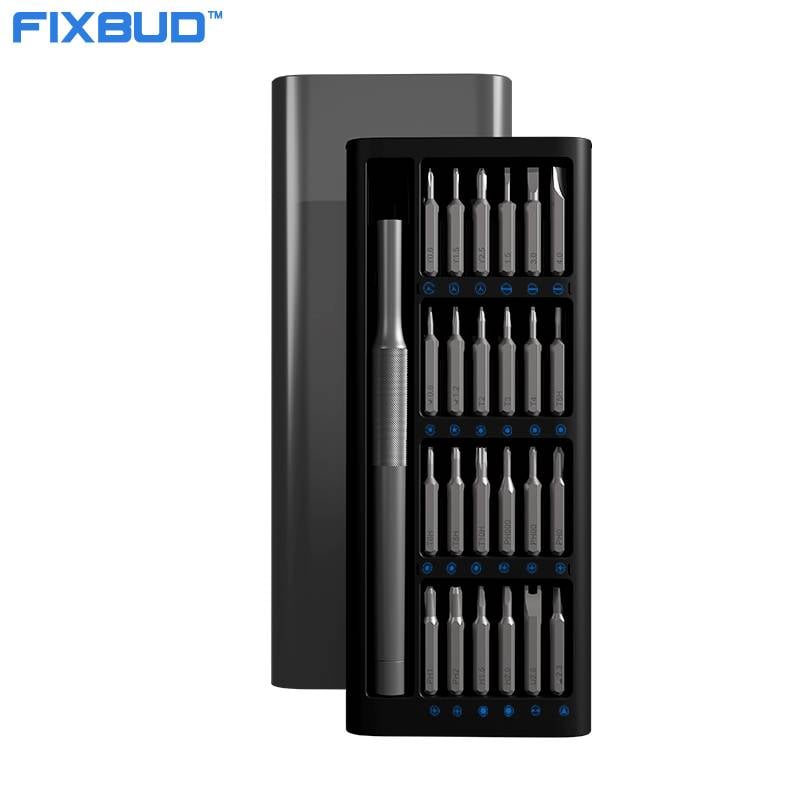
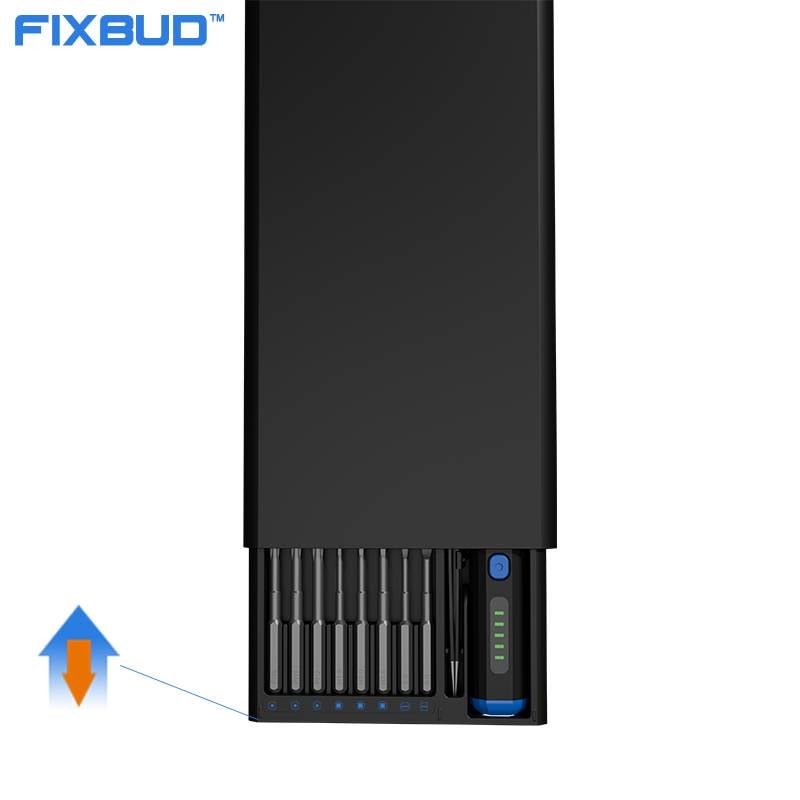
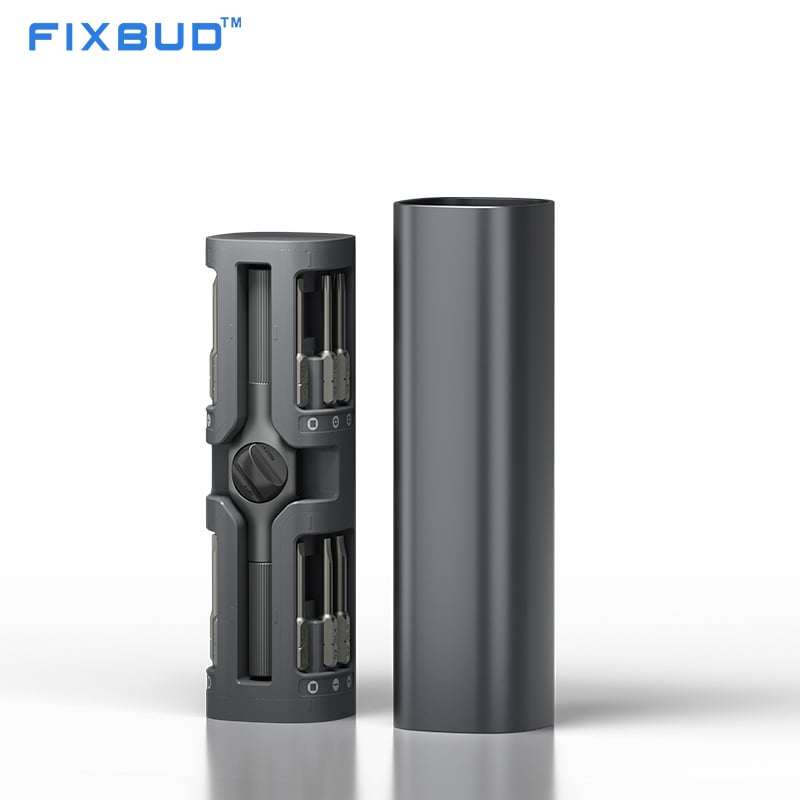
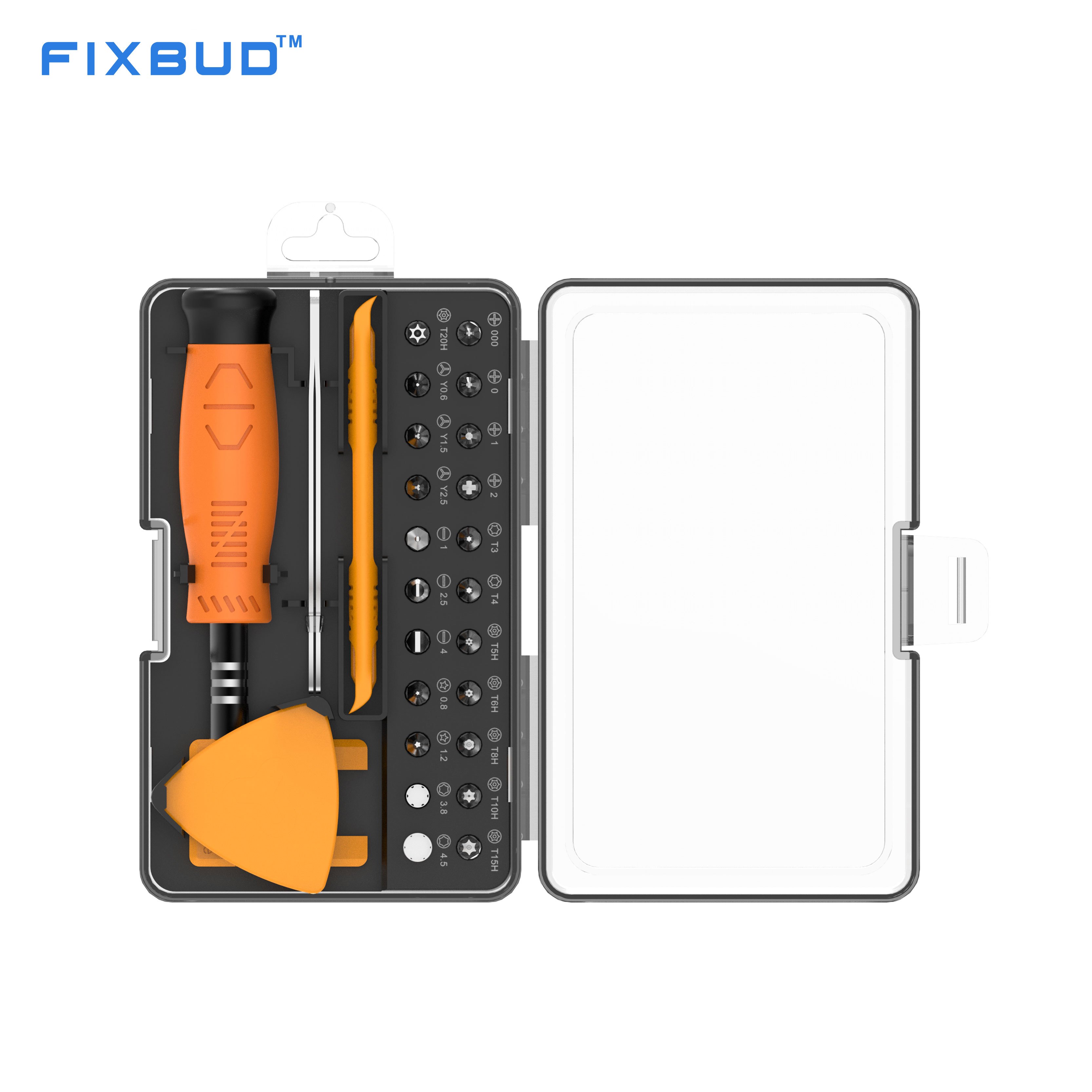
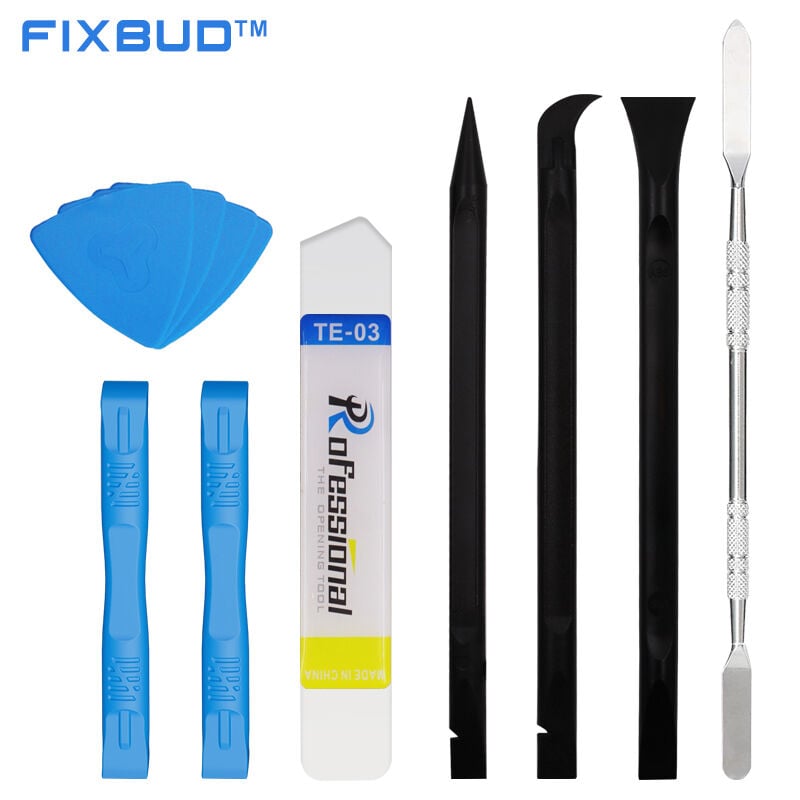
Common bulk replacement parts for repair kits include precision screwdriver bits, plastic spudgers, opening picks, metal pry tools, and tweezers.
Not all replacement parts are interchangeable, even when they serve the same repair application. Buyers should confirm dimensions, materials, compatibility with existing tools, and separate ordering availability before purchasing.
Not every damaged or worn component requires replacing an entire electronics repair tool kit. Many common accessories can be sourced separately.
| Replacement Component | Common Applications | Key Purchasing Consideration |
| Precision Screwdriver Bits | Smartphone, laptop, tablet, and game console repair | Bit type, shank size, length, material |
| Plastic Spudgers | Opening electronic housings and disconnecting components | Material, shape, flexibility |
| Opening Picks | Separating adhesive-secured device edges | Thickness, material, dimensions |
| Metal Pry Tools | Specific opening and disassembly tasks | Tip shape, thickness, surface finish |
| Tweezers | Handling small electronic components | Tip precision, material, ESD requirements |
| Magnetic Mats | Organizing screws during device repair | Size, magnetic performance, layout |
For example, a distributor selling 117-in-1 precision screwdriver sets may need replacement bits without purchasing another complete kit.
However, availability should be confirmed with the manufacturer. Some accessories are standard products, while others use dimensions or designs specific to a particular repair kit.
One of the most important steps in bulk replacement bit sourcing is confirming compatibility with the existing screwdriver handle.
A matching screw head does not guarantee that the replacement bit will fit the original tool.
Check the bit interface and dimensions:
-- Shank Size: Confirm whether the screwdriver uses a 4mm precision bit interface, a 6.35mm (1/4-inch) hex interface, or another design.
-- Bit Length: Check the total length and whether the storage case accommodates the replacement.
-- Bit Type and Size: Match Phillips, Torx, Pentalobe, Hex, or other profiles to the intended fasteners.
-- Retention Method: Confirm magnetic or mechanical retention with the original handle.
For example, H4×28mm and H4×38mm precision bits may share the same nominal shank size but differ in length. That difference can affect storage fit or use in recessed locations.
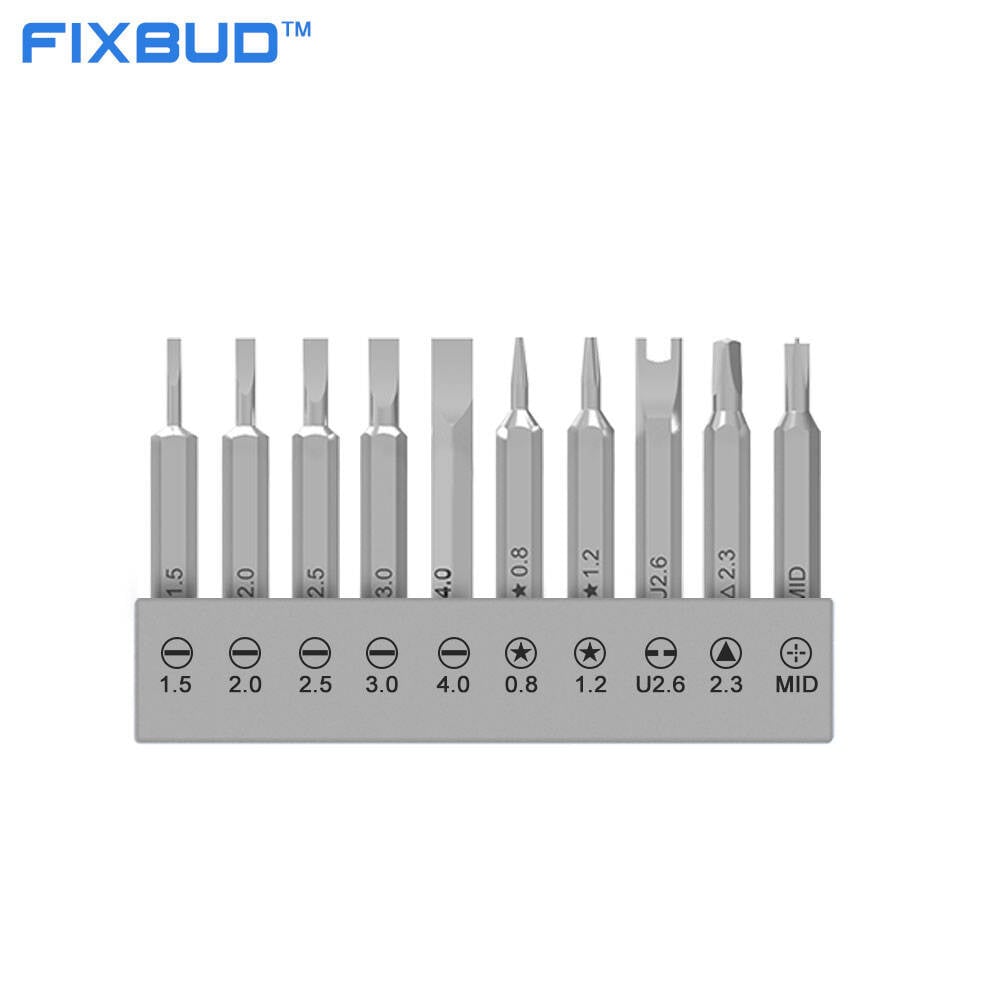
Material selection affects wear resistance, toughness, and purchasing cost.
Common screwdriver bit materials include:
| Material | Typical Hardness Range | Purchasing Consideration |
| S2 Tool Steel | Approximately HRC 60 | Suitable for precision bits requiring good wear resistance and toughness |
| CRV Steel | Approximately HRC 52–56 | Common option for general precision repair kits |
| 45# Steel | Approximately HRC 45–50 | Cost-oriented option for selected manual screwdriver configurations |
Higher hardness does not always mean better performance. You should balance hardness, toughness, and cost while ensuring replacement bits match the original product's quality standards.
Unlike screwdriver handles, opening tools are often exposed to bending, friction, and repeated contact with device housings.
Plastic opening picks and spudgers may develop worn edges or deformation. Metal pry tools may require replacement if their working tips become damaged.
However, not every opening tool is interchangeable.
A thin opening pick and a rigid metal spudger perform different tasks. Material hardness, tip geometry, and flexibility affect how each tool interacts with the device.
When sourcing replacement opening tools, compare:
-- Material and working-tip design
-- Thickness, width, and overall length
-- Intended device applications
-- Compatibility with existing kit compartments
-- Packaging and replacement quantities
For buyers managing multiple repair workstations, keeping frequently used opening tools available separately can simplify replenishment.
The decision depends on the condition of the original kit and the availability of compatible accessories.
Purchase individual replacement parts when:
-- Most components remain functional.
-- Only selected screwdriver bits or opening tools show wear.
-- The original product configuration is still suitable.
-- Compatible replacements are available at practical order quantities.
Consider complete replacement kits when:
-- Several major components are damaged or missing.
-- The original configuration no longer supports current repair applications.
-- Individual parts are unavailable or incompatible.
-- Purchasing complete sets is more economical after freight and handling costs.
For wholesalers and private-label brands, comparing total replacement costs is more useful than comparing unit prices alone.
For private-label repair kits, replacement parts should be considered during product development rather than after customer complaints.
Brands can identify frequently used bits and opening tools, assign clear specifications, and plan separate replacement SKUs where practical.
At FIXBUD, we support customized bit configurations and repair accessories. You can discuss replacement part availability, packaging, and future replenishment requirements when developing their product lines.
Before placing a bulk replacement order, confirm three essentials:
-- Compatibility: Test replacement parts with existing handles, storage cases, and repair applications.
-- Quality Consistency: Verify materials, dimensions, and performance against approved samples.
-- Supply Availability: Confirm separate ordering options, MOQ, lead time, and repeat-order consistency.
For brands, wholesalers, and repair service networks, a reliable replacement strategy starts with accurate specifications and a clear replenishment plan. The goal is not to stock more accessories, but to keep the right components available without repeatedly purchasing complete repair kits.
 Hot News
2026-10-22
2026-10-21
2026-10-21
2026-10-20
2026-10-19
2026-10-19

FIXBUD is a trusted screwdriver and tool set manufacturer in China with ISO9001, CE, UL certifications. Offering OEM/ODM services, high-quality tools, and complete procurement solutions for global partners. Request a custom quote today.
Room 402, Building B, Getailong Zhigu, Bulong Road, Bantian Street, Longgang District, Shenzhen, Guangdong Province, China
Copyright © 2026 EWIN ENTERPRISE LTD. All rights reserved. Privacy Policy
 EN